Go to section
ESP ESP
04

SUSTAINABILITY AND SOCIAL & ENVIRONMENTAL COMMITMENT

Double materiality, the 2030 “Flavors that Transform” Sustainable Strategy and the management of energy, water, emissions and waste.

Double materiality

Grupo Bafar and our commitment to double materiality

At Grupo Bafar we began the materiality process in 2021, and in 2024 we carried out our first update, incorporating double materiality.

At Grupo Bafar, sustainability, transparency and accountability are fundamental pillars of our business. Double materiality has therefore become a key tool to guide our decision-making, strengthen relationships with our stakeholders and move toward a more integrated sustainability strategy, aligned with market expectations and disclosure best practices.

As part of our commitment to continuous improvement, for 2026 we plan to carry out a new update of our double materiality study, aiming to reinforce its alignment with applicable standards and frameworks, including GRI, SASB, IFRS S1 and IFRS S2, among others.

What does double materiality involve?

Double materiality takes into account two perspectives that are crucial for comprehensive decision-making:

Financial materiality

Assesses how risks and opportunities may influence the company’s financial position, economic performance, cash flows and access to financing. We examine factors both within our direct control and those linked to key business relationships, such as dependence on natural and human resources.

Impact materiality

Focuses on how our company’s operations affect people, the environment and society as a whole. It considers both positive and negative effects, whether actual or potential, and assesses factors such as the magnitude, scope and irreversibility of these impacts.

Company’s outward impact Impact on society and the environment
Double materiality
Inward impact on the company Sustainability risks and issues affecting the company

Commitment to Double Materiality at Grupo Bafar

For Grupo Bafar, this dual perspective allows us to better understand and address challenges, while unlocking opportunities to create long-term value both for our business and for the communities we serve.

Grupo Bafar operates in several industries, including the agro-industrial, real estate, financial, game-hunting and insurance sectors. To ensure effective governance across this broad portfolio, we use the Double Materiality approach as a comprehensive framework to guide our sustainability strategy and make informed, transparent decisions. This process underscores our role as responsible stewards of both our business and the environment.

The double materiality process at Grupo Bafar

Stakeholder selection

Internal and external stakeholders: shareholders, customers, employees, community, financial institutions and suppliers.

ShareholdersCustomersEmployeesCommunityFinancial institutionsSuppliers

Double materiality standards

We work with reference to the GRI and SASB standards.

Data-driven materiality analysis

Information gathering through surveys and sector analysis.

Prioritization by our ESG Committee

The ESG Committee reviews and prioritizes the topics identified.

Integration into business strategy

Insights from the materiality study feed into decision-making processes, bridging sustainability, operational planning and governance.

Material topics

The Double Materiality assessment allowed us to identify and prioritize the following material topics across the environmental, social, governance and food responsibility dimensions:

Climate change
Compliance with environmental law and regulation
Best labour practices
Healthy and affordable food
Product innovation
Business ethics
Corporate governance

Key business areas as part of our sustainability efforts

Grupo Bafar’s diverse portfolio benefits from our double materiality approach on several levels:

Agro-industrial sector

We focus on sustainable food production through the responsible use of resources and innovative practices in meat and dairy production.

Real estate

Development of environments that meet modern sustainability and well-being standards.

Financial sector

Use of data-driven approaches to manage global financial risks while maintaining high ethical standards.

Insurance and surety

Exploration of innovative financial instruments to insure and grow sustainability initiatives.

2030 Sustainable Strategy

Our commitment to stakeholders

Through Double Materiality we reaffirm the importance of transparency and continuous improvement. Our mission is not only to meet today’s expectations but also to lead by example, creating a path toward a balanced and sustainable future for the generations to come.

At Grupo Bafar, every step we take has a purpose and, through approaches such as Double Materiality, we commit to continue driving change with measurable impact for our business, our stakeholders and the world.

Grupo Bafar reaffirms its commitment to comprehensive sustainable development through a strategy structured around three key pillars that reflect our essence and vision for the future, integrating ESG (Environmental, Social and Governance) principles. With innovative actions, responsible practices and a focus on quality and well-being, we move toward a more balanced and prosperous destination for all.

Flavors that TRANSFORM
Pillar 1. Sustainable future

Objective: Preserve natural wealth by reducing environmental impact and leading innovative sustainability practices across our sectors.

Renewable energy

Increase renewable energy coverage across properties through new technologies.

Solar energy optimization

Improve solar energy capture and use.

Water treatment

Increase the capacity of water treatment facilities.

Pillar 2. Life and people

Objective: Promote the well-being of people and communities through better work environments, social justice and access to healthy, affordable products.

Employee training

Maintain and improve employee development through training programs.

  • In 2025, trained staff reached 3,654.
  • Raise to 56% by December 2025 the share of employees trained at Universidad Bafar who reach their desired position.

Social impact · Children and youth

Expand the impact of Fundación Grupo Bafar in vulnerable communities.

  • We benefited more than 33,000 children and adolescents through socio-sports school activities by the end of 2025.

Community volunteering

Increase volunteer work commitment in communities.

  • We surpassed 3,000 cumulative community work hours during 2025.

Collection centers and food

Expand the delivery of complete meals to families in need.

  • By 2025 we benefited more than 3.2 million families with meals.
  • We surpassed 14 million complete meals delivered throughout 2025.
Pillar 3. Transparent leadership

Objective: Manage every operating area with integrity and transparency, consolidating ourselves as a benchmark in corporate ethics and effective governance.

ESG training

ESG training is essential to continue driving sustainable and responsible practices at every level of the organization. It is important to us that our team stays up to date on environmental, social and governance matters, ensuring these considerations are part of decision-making and our corporate culture.

Women on the Technical Committee

Women’s participation on the technical committee is essential for more inclusive and balanced decisions, as it brings different perspectives and experience. At Grupo Bafar we seek to ensure female participation on our technical committee stays above the established level.

Technical Committee independence

An independent technical committee is key to better decision-making, as it brings greater transparency and experience while helping to avoid conflicts of interest. At Grupo Bafar, maintaining a high level of independence is a priority, so we aim to keep it above 50%.

Code of Ethics

Our goal is to ensure all executives receive ongoing training aligned with the code of ethics, so that all members follow the same principles of integrity and respect.

Women in managerial roles

Diversity in leadership positions is key to a stronger, more equitable organization. We aim to keep their representation above 40%, ensuring that talent and capability are always the main drivers of growth within the company.

Diversity policies

At Grupo Bafar our goal is to promote an inclusive environment where everyone, regardless of background, gender or experience, has the same opportunities to grow and contribute.

Transforming the Industry with Flavors that Make an Impact

With the “Flavors that Transform” strategy, Grupo Bafar integrates its legacy into a vision blending innovation, sustainability and responsible leadership. We reaffirm our position as a company that puts collective well-being and environmental conservation alongside unmatched quality. Let us move together toward a cleaner, more ethical and more equitable future.

Linking material topics to the SDGs

1 No poverty

We generate jobs nationally and internationally.

2 Zero hunger

Collection center, gathering and delivering more than 14 million food packages nationwide, benefiting more than 3.2 million families in Mexico.

Healthy and affordable foodProduct innovation
3 Good health and well-being

All our employees have decent salaries and benefits. We deliver various training sessions throughout the year. We run Socio-Sports Schools for more than 30 thousand children and young people. Medical Days, benefiting free of charge more than 16,500 people without medical services.

Hiring, recruitment and retentionOccupational health and safetyTraining and educationLabour-management relations
4 Quality education

Universidad Bafar offers courses designed for our employees to develop and apply management skills inspired by their leaders. More than 56% of employees have taken these opportunities to boost their professional growth.

Training and education
5 Gender equality

The Equity and Inclusion policy was redefined, focusing on the areas most important to our employees. In addition, we reduced the gender pay gap.

Diversity and equal employment opportunityEqual pay for women and menPrevention of discrimination
6 Clean water and sanitation

We continue to innovate in our systems, reducing and reusing litres of water in our production stages.

Water and effluent management
7 Affordable and clean energy

Our B-Energy power plant, and our efforts to keep installing solar panels at various stores and facilities.

Energy consumptionEmissions management
8 Decent work and economic growth

Universidad Bafar also runs the “Managerial Talent Development” program, which develops employees’ work skills to empower them in their positions and open the door to new roles.

Indirect economic impactsHiring, recruitment and retentionTraining and educationCode of ethics, policies and procedures
9 Industry, innovation and infrastructure

We installed solar panels at various CarneMart stores across the country, added mechanisms to reduce water use and built our production plants, Planta Chihuahua and Planta La Piedad, the Group’s main production source.

Indirect economic impactsMarket presenceSustainable food-processing infrastructureProduct innovationProduct information, labelling and marketing
10 Reduced inequalities

Through Fundación Grupo Bafar we develop programs supporting the development of families and children, creating opportunities for all who need them.

Diversity and equal employment opportunityEqual pay for women and menPrevention of discriminationCode of ethics, anti-corruption policies and procedures
11 Sustainable cities and communities

Together with Fibra Nova, improvements have been implemented in our properties to reduce energy and water consumption. These properties hold EDGE certification, which endorses their sustainability.

Sustainable cities and communities
12 Responsible consumption and production

Our core business is the production of meat and dairy products, so we innovate daily in our production chain, facilities and products.

Economic performanceWaste managementHealthy and affordable foodProduct labelling and packaging
13 Climate action

All our environmental efforts aim to limit the global temperature increase to 1.5 °C or less: solar panels, irrigation systems to improve water and effluent use, among others.

Energy consumptionWater and effluent managementEmissions managementWaste managementCompliance with environmental law and regulation
14 Life below water

There are initiatives for water system efficiency and dry toilets at Grupo Bafar facilities.

Water and effluent management
15 Life on land

We run the “Wildlife Conservation” project, where across 48 thousand hectares of UMA land we keep various species under natural conservation to prevent their extinction. We also innovate in product packaging, reducing plastic in certain packs.

Compliance with environmental law and regulation
16 Peace, justice and strong institutions

We have a wide variety of policies and regulations governed by peace and justice, and our stakeholders follow these guidelines to continue working with us.

Freedom of association and collective bargainingRespect for human rights in security practicesCode of ethics, anti-corruption policies and procedures
17 Partnerships for the goals

Over the years we have formed alliances with various non-profit institutions to take our ESG plans even further.

Wildlife conservation

We drive initiatives aimed at protecting wildlife, managing more than 48 thousand hectares across several properties registered as Wildlife Conservation Management Units (UMA). Together with the “El Álamo” and “Santa Anita” ranches, recognized as UMAs by SEMARNAT, we have developed alternative productive schemes that keep operations running while strengthening the conservation of flora and fauna.

As part of these efforts, we have allocated significant resources to soil conditioning, the designation of 1,500 hectares as land reserves and the installation of infrastructure such as feeders and drinkers. We also have specialized technical support in the nutritional, sanitary and reproductive care of the species, helping to promote their reproduction and conservation.

48,000
Hectares under conservation (UMA)
1,500
Hectares as land reserves
2
Ranches recognized by SEMARNAT

Preserved species

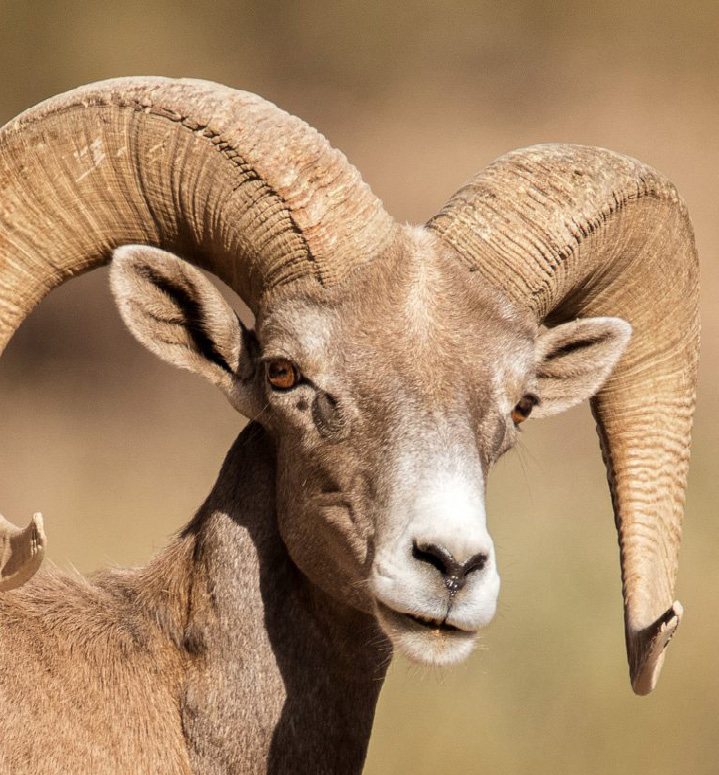
BIGHORN SHEEP

An artiodactyl mammal of the Bovidae family, native to North America. The bighorn sheep has great ecological, cultural, economic and social importance in Mexico, as well as being a symbol of Mexican wildlife.

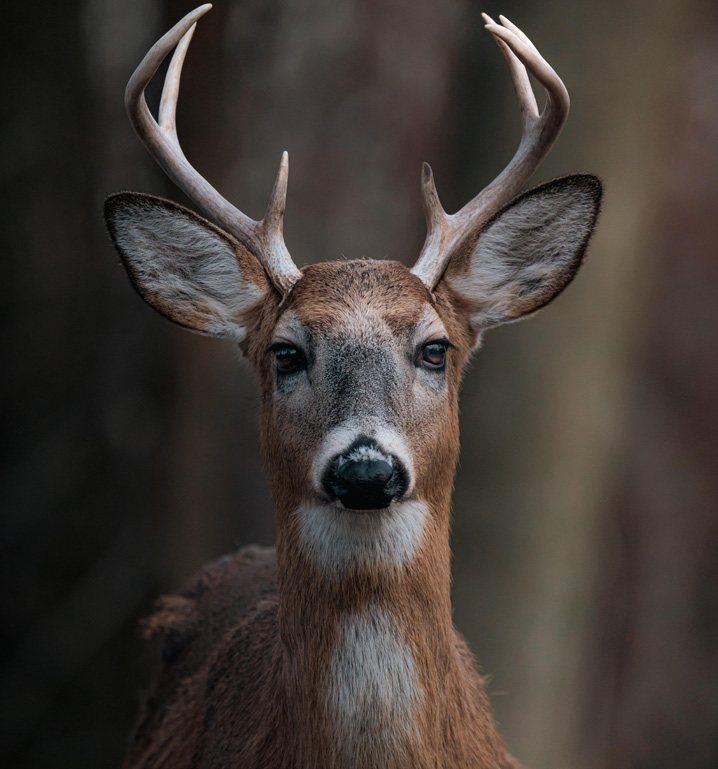
WHITE-TAILED DEER

Known in Mayan as ceh, it is an artiodactyl mammal of the Cervidae family. It is one of the most widely distributed deer in the Americas, ranging from Canada to northern South America.

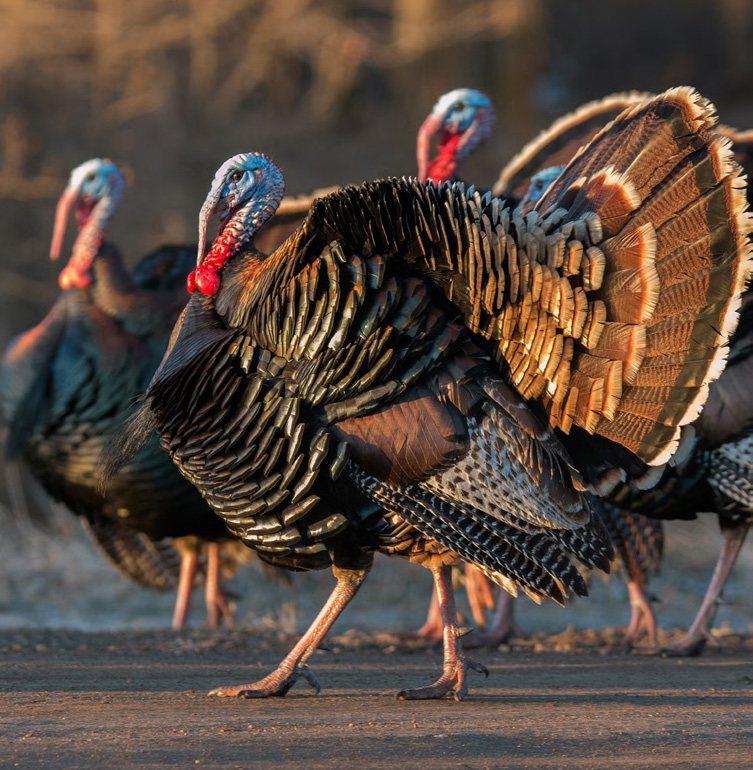
WILD TURKEY

Also known as the wild turkey, it is a galliform bird native to North America. In Mexico it is an emblematic species both for its cultural value and its ecological importance. It mainly inhabits pine-oak forests but is also found in xerophilous scrub and low deciduous forest.

PRONGHORN

Also known as the American antelope, it is an artiodactyl mammal endemic to North America. The pronghorn mainly inhabits arid and semi-arid areas of northern Mexico.

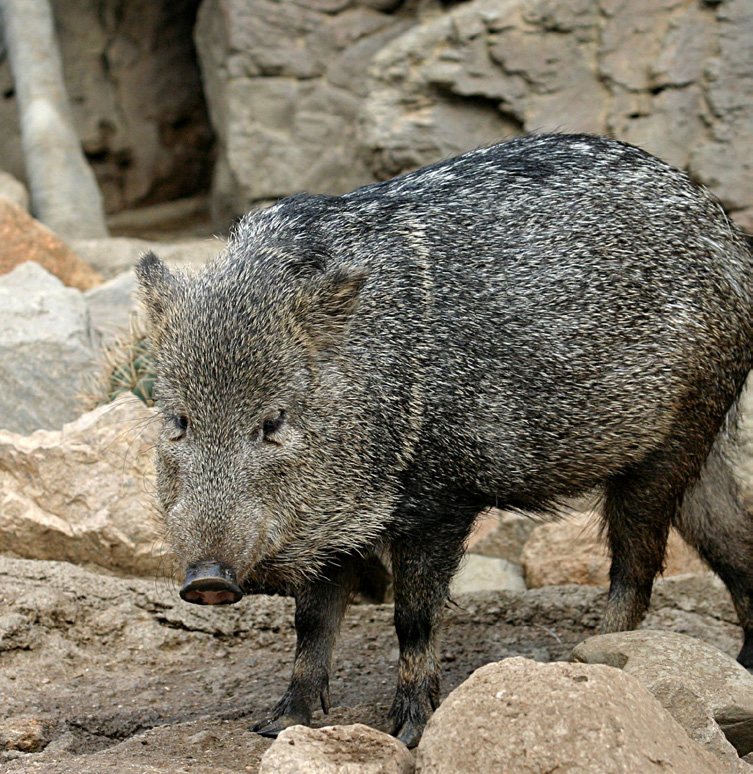
COLLARED PECCARY

Also known as saíno or báquiro, it is an artiodactyl mammal of the Tayassuidae family, native to the Americas. It has a wide distribution from the southern United States to northern Argentina. In Mexico it is found in almost the entire country, except the Baja California peninsula.

Responsible and efficient resource management

The food industry, and especially the meat industry, is highly energy-intensive. We therefore set out to install solar panels at all our CarneMart businesses across Mexico, to reduce energy use at each of our stores.

Within our facilities we brought the B-Energy plant into operation, a power station that uses natural gas as its generation source; this energy source produces up to 50% less CO₂ compared with coal and around 30% less than oil in electricity generation.

Energy efficiency

Electricity consumption (kWh)20242025
Grupo Bafar 163,720,699.15 171,151,420.00
Agro-industrial 13,728,198.00 12,242,263.00
Other businesses 359,405.45 242,483.00
Bafar Alimentos* 149,633,095.70 158,666,674.00
Fibra Nova** 72,375,092.00 61,648,593.00
Agro-industrialOther businessesBafar Alimentos*Fibra Nova**
2024 2025

* The Bafar Alimentos division comprises: Consumer, Retail, International and Plants.

** Fibra Nova’s consumption is considered indirect for the Group, as it stems from tenants’ operations in its properties.

*** Figures for the annual cycle reported by each business unit.

Water optimization

Re-pumping

As part of our efforts to improve water efficiency, we have incorporated automated re-pumping pumps in our agricultural fields. This strengthens the management of water used in irrigation, contributing to more efficient application of the resource and better operation of the installed systems.

Irrigation modernization

During 2025 we continued advancing the modernization and conversion of our irrigation systems, aiming to reduce water consumption and improve application efficiency. In the March–October 2025 cycle, the volume applied was 8,456,360 m³, compared with 9,315,930 m³ in 2024. Consumption per hectare fell from 9,996 m³/ha in 2024 to 9,073 m³/ha in 2025. At period end we had 932 hectares under various irrigation systems: drip, micro-sprinkler and sprinkler.

Weather monitoring

In addition, we use sensors, moisture solenoid valves and weather monitoring tools to adjust irrigation system operation according to soil and climate conditions. This information allows us to make more precise decisions on water application, optimize agricultural yields and move toward more efficient water management. Going forward, we will continue converting irrigation systems and modernizing a larger agricultural area.

Volume applied (m³)
9,315,930 2024
8,456,360 2025
Consumption per hectare (m³/ha)
9,996 2024
9,073 2025

932 hectares under modernized irrigation

Drip191 ha
Micro-sprinkler229 ha
Sprinkler and others512 ha

Extraction

We have a well-based water extraction system, backed by an advanced monitoring mechanism that ensures responsible use of the water resource. We have also implemented specialized sensors that precisely measure aquifer levels and movements, as well as the amount of water extracted in each cycle. These sensors collect real-time data on the volume of water used and the decline in water tables, making it easier to adjust operations and prevent over-extraction.

Water supply

We have an efficient automated storage and management system for our water supply. The Group’s storage tanks are equipped with ultrasonic sensors that monitor filling and emptying levels in real time. These sensors coordinate with the wells, automatically switching them on or off according to demand, ensuring optimal distribution of the resource.

Wastewater treatment

We have 2 wastewater treatment facilities, one in Chihuahua and the other in Michoacán. They focus on recovering effluent water from continuous ovens, the kitchen area and the breading area, recovering an average of 30% of the water used. At Grupo Bafar we promote responsible water use through initiatives that optimize consumption, such as cooling towers at our facilities.

Water by business unit

2025 Consumption m³ · GroundwaterConsumption m³ · Third party (municipal)Discharge m³ · Third party (municipal)Treated m³ · Treated water
Agro-industrial 29,936,921
Bafar Alimentos* 953,571 32,749 884,865 493,008
Grupo Bafar 30,890,492 32,749 884,865 493,008
Fibra Nova** 180,582

* The Bafar Alimentos division comprises: Consumer, Retail, International and Plants.

** Fibra Nova’s consumption is considered indirect for the Group, as it stems from tenants’ operations in its properties.

*** We follow SEMARNAT’s official NOM-001 parameters to comply with water discharge requirements.

Responsible emissions

At Grupo Bafar, our scope 1 and 2 emissions, unlike other businesses, are defined as follows: scope 1 corresponds to direct emissions from livestock-related processes in our agro-industrial division, as well as from fuel consumption in our operations.

Scope 2 refers to indirect emissions generated by electricity consumption at our facilities and production processes. Understanding this distinction allows us to manage our carbon footprint more efficiently, implementing strategies to reduce our environmental impact and strengthen our commitment to sustainability.

Scope 1 (ton CO₂ eq)
40,871.17 2024
39,684.00 2025

Scope 1 emissions were calculated using the National Emissions Report methodology approved by SEMARNAT, together with the corresponding calorific values, emission factors and global warming potentials.

Scope 2 (ton CO₂ eq)
67,248.53 2024
76,142.24 2025

Scope 2 emissions were calculated using the national grid emission factor published by SEMARNAT for 2024 and 2025.

Scope 3 (ton CO₂ eq)
19,937.18 2024
30,592.19 2025

Emissions from the operations of Fibra Nova’s tenants are included as scope 3.

Smart waste

Every day people consume millions of products with plastic packaging, which is why at Grupo Bafar we set out to innovate in our packaging system and the materials we use. As a result, we reduced material consumption by lowering packaging weight and generating less waste from our products.

Nevertheless, the waste we generate is divided into non-hazardous and hazardous waste, and we continue working on strategies to reduce its impact. Our various business units generate a wide variety of waste, including plastics, food products unfit for sale and materials classified as hazardous.

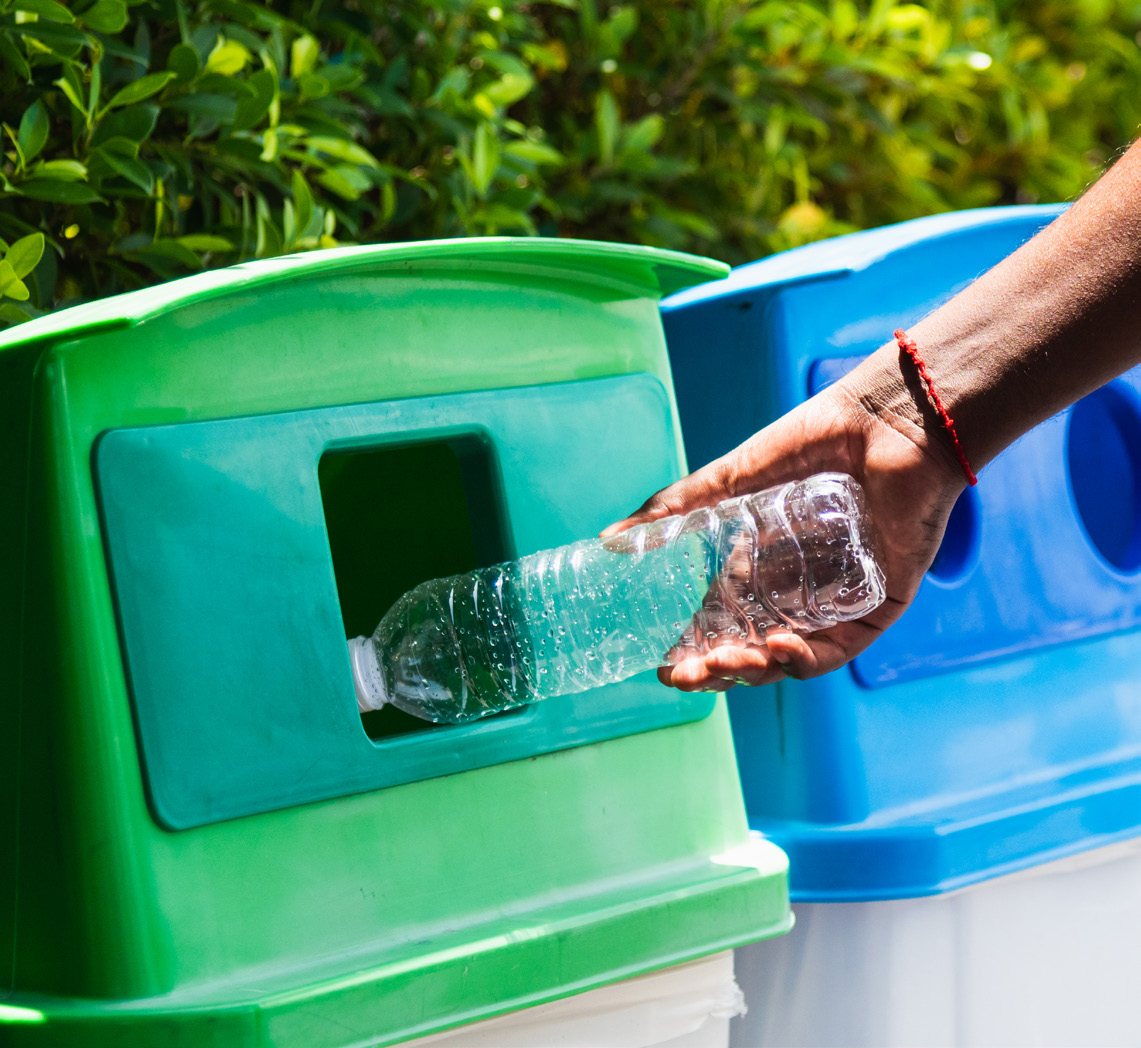
To guarantee efficient and responsible handling, we have implemented strict procedures for managing special-handling and hazardous waste. At our facilities we carry out meticulous separation of special-handling waste using specific containers for general refuse, cardboard and plastic, which are collected by an authorized supplier. This supplier provides us with monthly certified manifests, ensuring transparency and traceability in the process.

As for hazardous waste such as oils, filters and contaminated rags, these are stored in a designated area within our general warehouse, with access restricted to authorized personnel. We also work with a company specialized in the safe transport and disposal of these materials, guaranteeing their proper handling and reducing environmental impact.


32 Sustainable Annual Report 2025